
How Santee Residents Are Found
There is no official public list of every person in Santee. A useful resident trail is built from records that were created for a specific purpose. The county assessor connects a situs address to an APN and assessment facts. The recorder identifies parties to recorded instruments. The San Diego Superior Court index identifies public case parties. A voter tool lets a voter check their own status, while broader voter-file releases have strict purpose rules. Libraries, newspapers, and directories add the household history that a deed cannot show.
Use the smallest source that can answer the question. An address search can begin with County Accela or ParcelQuest, then move to the assessor public-information channel and the Recorder's index. A name search needs middle names, dates, roles, or a parcel link before two results are treated as one person. For an older Santee household, search the local place names as well as the modern city name.
- Write down the known name, address, date range, and reason for the search.
- Resolve an address through the county parcel or permit tools, keeping the situs address separate from a tax-mailing address.
- Check the matching official index, such as the Recorder, Court Index, business file, or license search.
- Compare the result with a second source, such as a deed image, probate entry, directory page, or obituary.
- Ask the custodian for a copy or focused records request when the online index stops.
Santee Resident Records Offices
Santee records are split by the level of government that created them. City Hall is the route for minutes, permits, licenses, code matters, and a California Public Records Act request for city-held records. San Diego County ARCC handles assessment, recording, marriage, birth, death, fictitious-business-name, and archive functions. The Registrar of Voters and Superior Court keep separate systems. Treat the office as part of the evidence: a permit applicant, deed party, voter, and resident are not interchangeable labels.
City of Santee Clerk
Building 3, 10601 Magnolia Avenue
Santee, CA 92071
619-258-4100 ext. 226
San Diego County ARCC
Recorder, Assessor, and County Clerk divisions
Recorder 619-238-8158
San Diego Superior Court
East County Division
250 East Main Street, El Cajon
Court Index online
Santee Address, APN, and GIS Layers
An address is a starting key, not a complete identity claim. County Accela can search address fields, including a street-number range, direction, street name and type, unit, city, state, ZIP, address-assignment dates, and address validation. SanGIS and county map tools add parcel geography. The assessor map shows APNs, lot lines, dimensions, adjoining parcels, street widths, and recorded-map references, but the map itself does not print owner names or street addresses.
The APN is the bridge between layers. It can connect an address to the current assessment record, an assessor map, a survey or subdivision record, a permit, and a recorded deed chain. ARCC documents owner and address information through phone and public-kiosk channels rather than an unrestricted Internet owner-name search. Keep the physical situs and the mailing address in separate notes.
ARCC's recording access page shows the difference between an index and the image behind it. The screenshot below is a useful visual cue for the recorded-document route.
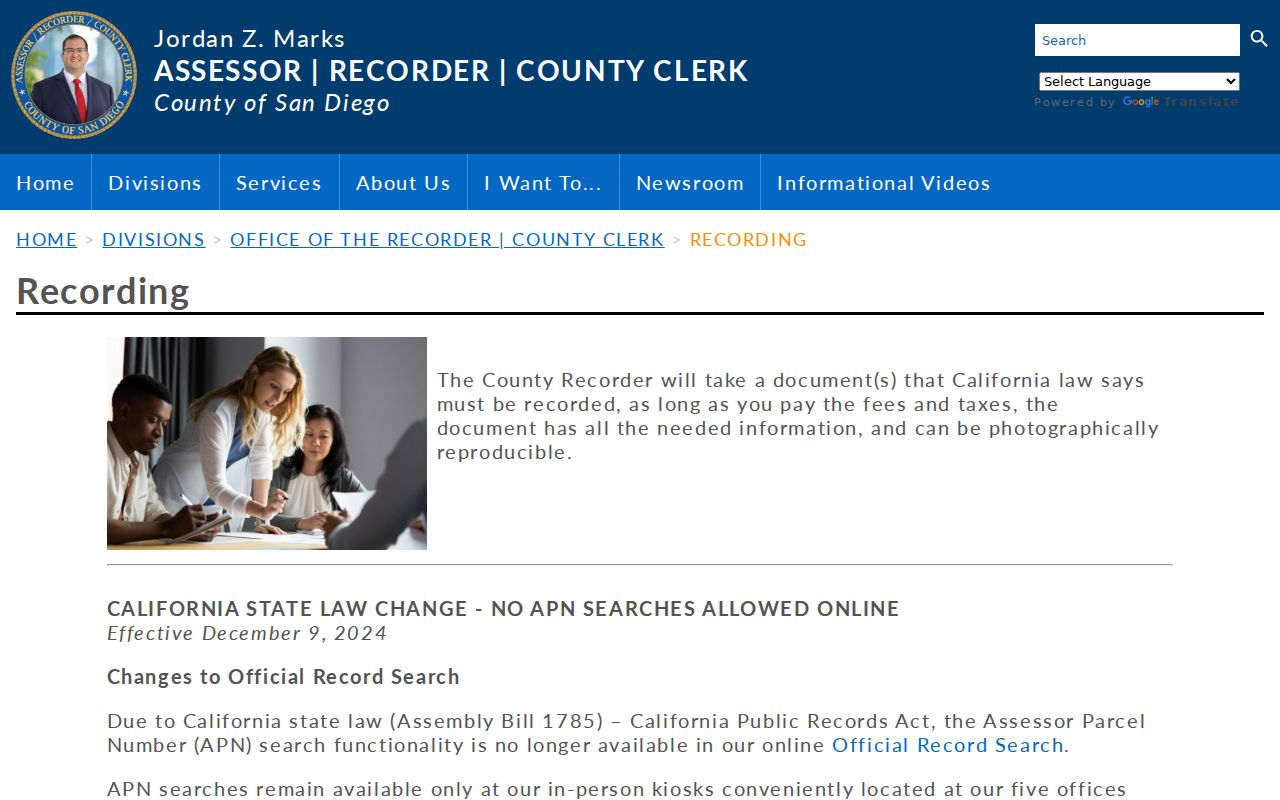
The index can locate a document, while a kiosk or ordered copy supplies the legal description and other document text needed to test a parcel match.
California Voter Records Have a Narrow Gate
California's voter system is often mistaken for a public street directory. It is not. The California My Voter Status form authenticates the requesting voter with residence address, birth date, and ZIP code, then returns that voter's registration or mail-ballot information. A person cannot use the self-lookup to browse nearby addresses. San Diego County also limits voter-file releases to approved election, political, scholarly, journalistic, record-review, or vendor purposes, with an application, identity proof, a wet signature, a security plan, and fees.
| My Voter Status field | Role | What a match means |
|---|---|---|
| Residence address | Authentication | Must match the county file |
| Birth date | Authentication | Confirms the requesting voter |
| ZIP code | Authentication | Helps distinguish a matching record |
| Submit / lookup | Action | Returns status or “No Registration Found” |
Elections Code section 2194 and Government Code section 7924.000 keep voter data outside ordinary California Public Records Act disclosure. The possible file fields include residential and mailing addresses, party preference, precinct, registration status, and participation history, but that inventory does not make every field public or authorize a personal block search.
Santee Deeds Show Parties, Not Households
The San Diego County Official Records Index reaches from 1970 to the present and is updated daily. It searches grantor or grantee names, recording dates, document numbers, and document types. Since December 9, 2024, APN searching is no longer available online under Assembly Bill 1785, though public kiosks retain APN search. That makes the current-owner name, instrument number, and legal description more important when an address trail begins.
An online result can expose indexed parties, role, document type, recording date, and document number. It does not display the full deed image. Images can be viewed at a kiosk without an appointment. Mailed copies require a document number, recording year, at least one named party, and document type. The published schedule lists $2 for the first page, $0.05 for each extra page, and $1 for certification. A card order adds the stated card fee, so check the live schedule before paying.
The county's Owner Alert service adds a forward-looking check for selected names or APNs. It does not prove fraud or occupancy, but it can signal a new indexed document after activation.
Use the deed chain to test ownership, then use directories, permits, probate, or another public source to ask about past household presence. The roles must stay distinct.
What Santee City Hall Can Supply
The City Clerk maintains legislative history and official archives. Council minutes date from incorporation in 1980, while only the latest five years are promised online. Older minutes can be requested by email at clerk@cityofsanteeca.gov. A focused request should name the meeting date or subject, address or project, document type, and date span. The CPRA requires access to existing nonexempt records, not a newly made list of Santee residents.
Planning and Building routes all building submittals through the Santee Portal. Its categories include residential and commercial new work, alterations, solar systems, batteries, accessory dwelling units, and other permit types. The portal also covers licensing, inspections, and service requests, though some actions need an account. A permit applicant or contractor is evidence of a project role, not proof of present residence.
The Santee department directory is a practical map of city functions. The Clerk is extension 226, Planning and Building is extension 167, Finance and business licenses is extension 144, and Community Services is extension 222.
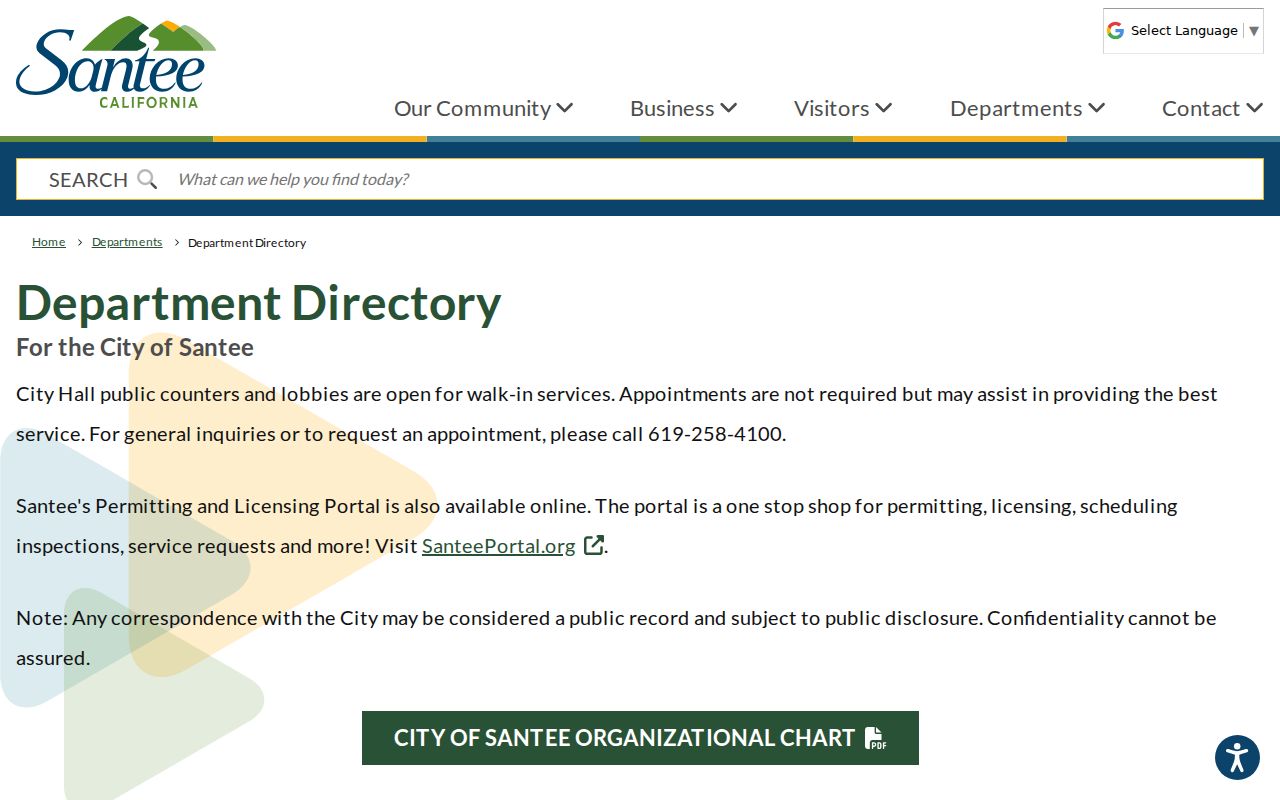
Correspondence sent to the City may itself be a public record, and personnel, appraisal, election-petition, and pending-litigation material can be withheld under the stated exceptions.
Current Santee Resident Directory Sources
“Directory” is a convenient word for several very different records. The table below keeps the source, purpose, and access boundary in view. It does not promise that any row names every person at an address.
| Source | What it can show | Keeper | Access boundary |
|---|---|---|---|
| Parcel and assessment information | APN, situs context, values, characteristics, exemptions | San Diego ARCC Assessor | Web parcel tools; owner information by phone or kiosk |
| Recorded-document index | Grantors, grantees, liens, deeds, dates, document numbers | ARCC Recorder | Free index; image at kiosk or by copy order |
| Court Index | Public case party, type, location, filing date | San Diego Superior Court | Case and confidentiality limits apply |
| Voter self-lookup | One voter's status and mail-ballot information | San Diego ROV / California SOS | Self-authentication, not public browsing |
| Business and license files | Entity, agent, license, status, or business address | California and county offices | Role evidence, not residence proof |
- Roll
- A recurring official list or assessment record created for a defined administrative purpose.
- Index
- A searchable pointer to record metadata; it may not include the underlying image or file.
- Parcel
- A mapped tax and land unit identified by an APN, not a complete household.
- Criss-cross directory
- A historical directory arranged by street and number, then a listed household or subscriber.
A name-only result needs a second anchor. A parcel, a case number, a license number, a filing role, a date, or a family relationship can do that work. The Santee resident lookup workflow is designed for that one-person comparison.
Santee Business and License Links
Business and professional files can explain why a name appears at a Santee address without turning the filing into a home record. California bizfile Online searches corporations, LLCs, limited partnerships, and nonprofits by entity name or file number. Results can show entity status, jurisdiction, principal and mailing addresses, agents, officers, managers, and filing history. Fictitious-business-name records are held by San Diego County and can be searched online, in person, or by an $8 staff mail search using an exact business name.
The Department of Consumer Affairs search accepts board, license type, number, business name, and person-name paths. ABC is a useful geographic exception because its official tool can report licenses by Santee city or ZIP as well as by licensee and address. Those results describe a regulated business or credential. They do not identify all residents at the location.
The California business search page is the source for the state entity layer.
Use an entity number, filing date, license number, or business address to separate similar names, then confirm any important fact with the issuing office.
Historical Santee Resident Directory Trails
Santee incorporated in 1980, so older households may be filed under San Diego County, East County, Cowlestown, the Santee postal area, or a regional telephone exchange. Exact Santee-inclusive city-directory years and publishers were not verified in the reviewed public catalog. That is a useful warning, not a dead end. Ask the San Diego Public Library California Room, Santee Library, or the Santee Historical Society which San Diego regional, telephone, and criss-cross volumes include the address.
A directory entry can pair a name with a home address, spouse notation, occupation, or phone subscriber line. A reverse directory starts at street and number instead. Census schedules, deeds, permits, and obituaries then test the entry. The full collections and reading method belong on the Santee city directory page.
The California State Archives catalog is a separate route for state-government material.
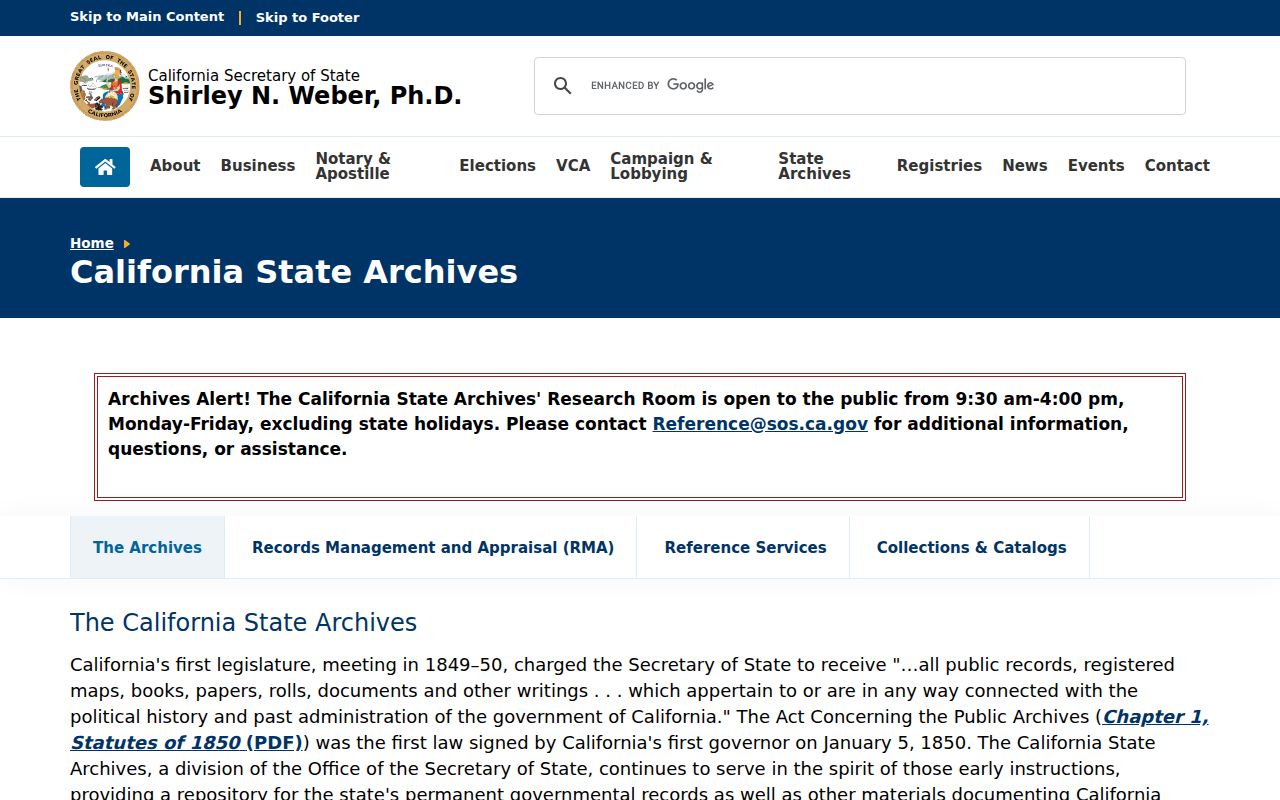
Do not read a missing directory entry as proof that a household was absent. Coverage, unlisted numbers, OCR, and changing place names all matter.
The Santee County Archives Reading Room
San Diego County Archives is itself a Santee research destination. The facility at 10144 Mission Gorge Road was established in 2020 within ARCC and holds permanent county records from 1850 forward, including administrative files, maps, recorded instruments, and historic birth, death, and marriage material. Online Archive of California finding aids can help identify a series before a visit, while the reading room and staff provide the deeper fallback when a web index ends.
This matters for family history. A current parcel can be paired with older maps, a marriage record, a deed, or a county administrative file without assuming that the modern city name was used at the time. Contact archives@sdcounty.ca.gov or 619-237-0502 with the county office, record series, date range, and name or parcel clue.
County archives reach back to 1850 even though the online Official Records Index begins in 1970. The two dates describe different access layers, not a contradiction.
Santee Searches Meet Privacy Boundaries
Some records are limited because the law protects the person behind them. Safe at Home supplies qualifying participants with a substitute mailing address. Juvenile, sealed, confidential-marriage, adoption, DMV, utility, and protected-voter information is not an open directory. California's Public Records Act can reach existing nonexempt city records, but it does not override a separate confidentiality rule or compel a court to produce a case file outside court access procedures.
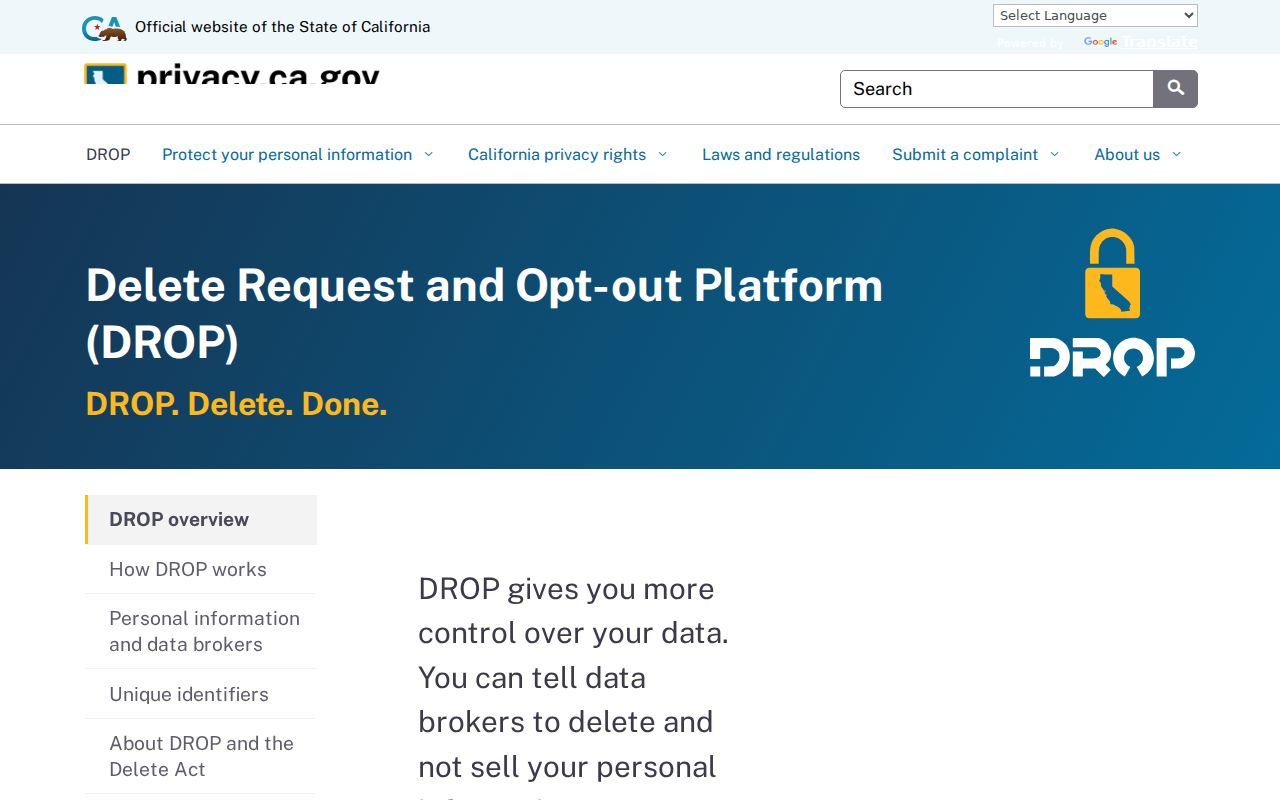
California's CCPA and California Privacy Rights Act give people rights to know, correct, delete, and opt out of sale or sharing in covered commercial systems. The 2026 CalPrivacy DROP tool can send one deletion request to more than 500 registered data brokers, with broker processing duties beginning August 1, 2026. Removing a commercial copy does not erase a lawful county deed or assessment record.
Lawful use. Santee record research is for personal, lawful purposes such as family history, estate work, civic review, or checking a possible scam. Do not use a name or address trail to stalk, harass, threaten, or harm anyone.
Protect a Santee Parcel With Owner Alert
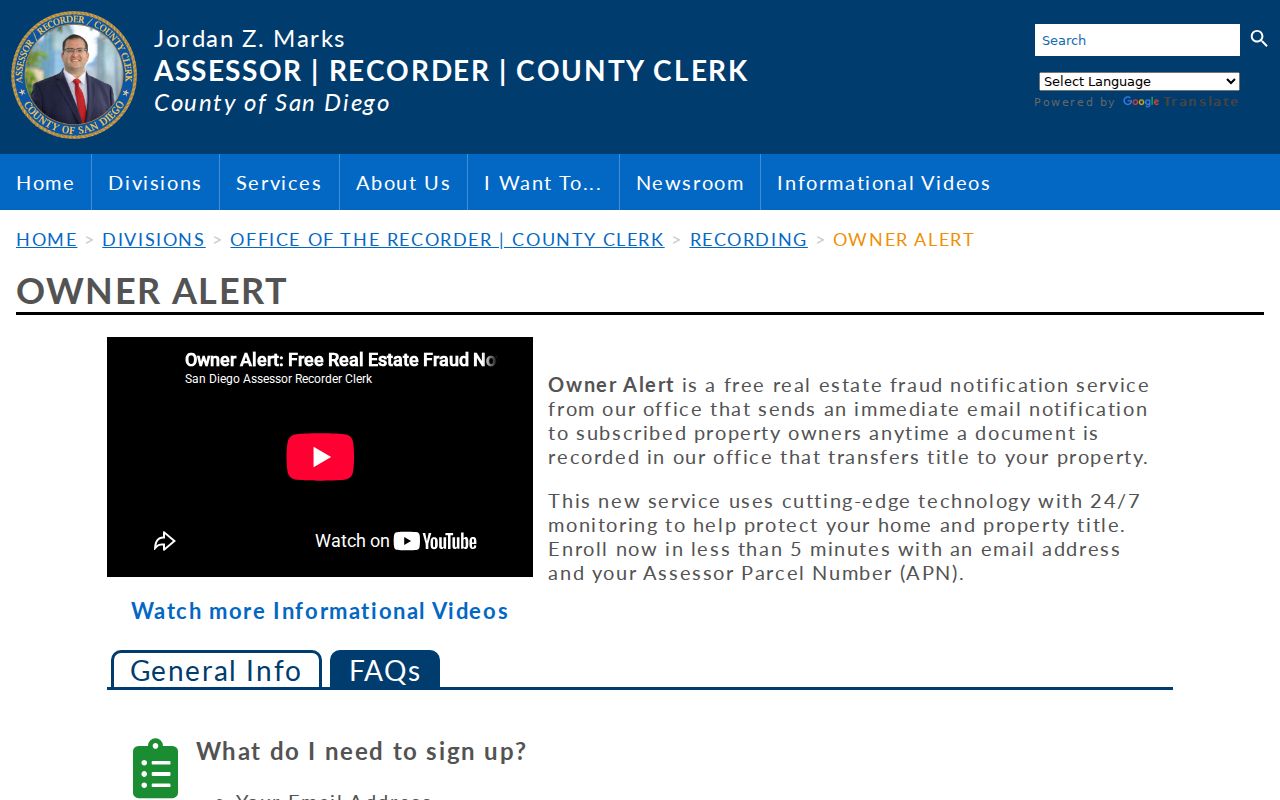
Owner Alert is a practical Santee property safeguard for a person monitoring their own recorded interests. The free service accepts up to ten names and ten APNs per email and sends notice when a matching document is indexed after activation. It covers future recordings only. It does not prevent a filing, decide whether a document is fraudulent, or establish who lives at a parcel.
Common names can create unrelated notices, and not every instrument carries an APN or every relevant name. Open the linked index information, view the image at a county kiosk, and compare the instrument with the owner's records. Suspected real-estate fraud goes to the San Diego County District Attorney Real Estate Fraud Unit, not to the alert service as if it were an adjudicator.
The ARCC Owner Alert enrollment page states the service's scope and links the resulting index record.
That prospective notice is most useful when paired with the deed chain and a copy of the underlying instrument.
Cowleston and Other Santee Search Names
Modern Santee history has a clear name sequence. George A. Cowles bought about 4,000 acres in 1877. The settlement was called Cowleston and connected to the Cuyamaca Railroad at Cowles Station. The post office adopted Santee in 1891, and the town, school, and school district followed by 1893. Older records can therefore hide behind Cowleston, Cowles Station, Santee, Fanita Rancho, or the spelling variant Cowles/Kohls.
The 1958 Carlton Company acquisition of about 4,300 acres marks a later source shift from ranch and land records toward subdivision maps, school material, permits, telephone books, and assessment records. Population rose from fewer than 2,000 in 1950 to 25,750 in 1970, before incorporation in 1980. Those numbers explain why a historical Santee residents directory becomes richer in the postwar years without implying that any single book is complete.
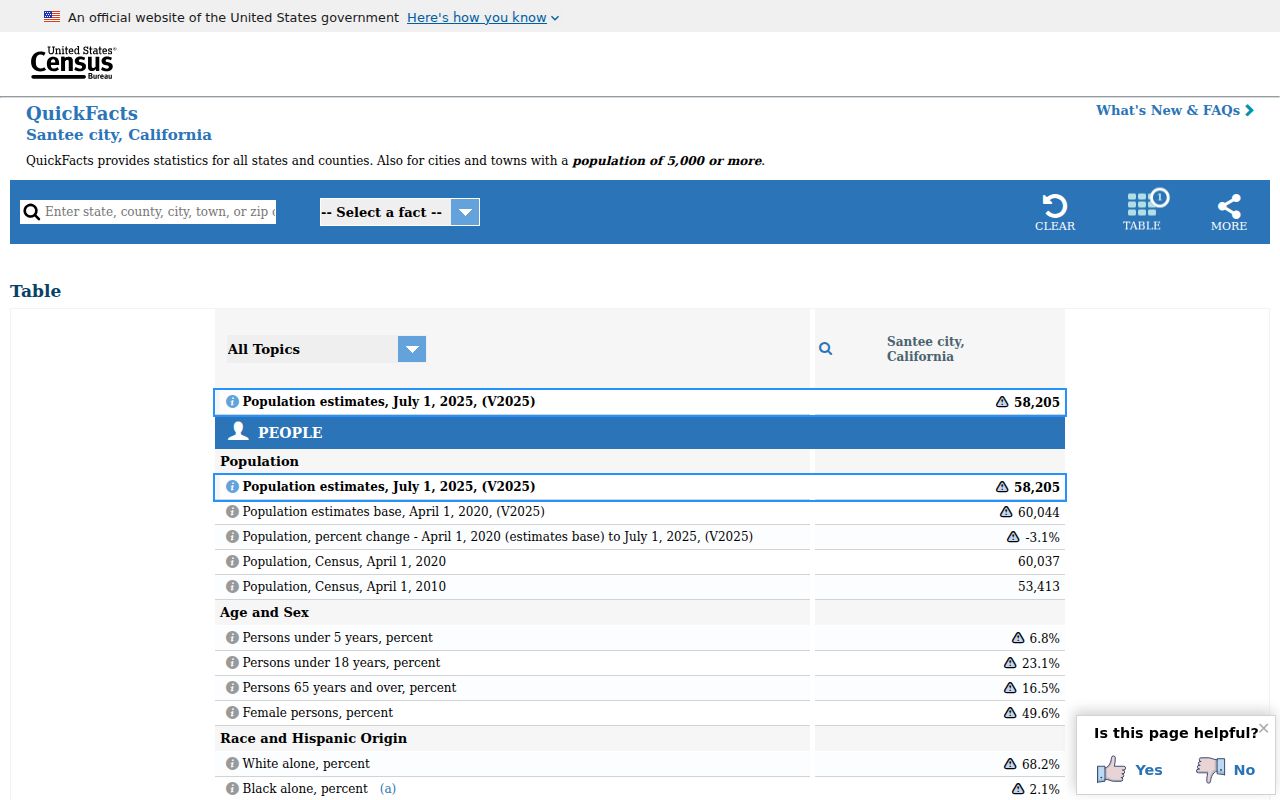
The Santee Census QuickFacts page is a current demographic reference, not a name list.
Search the historic names beside a street, subdivision, school, or family name, then verify the result in the record series that created it.
Current Santee Records Developments
Several current changes affect how Santee records are found. The CalPrivacy DROP tool launched in 2026 as a statewide opt-out route. The City completed a Town Center Specific Plan update in March 2025, which will add new project names, permits, parcel changes, and address history around the 700-acre core. The City also documents an online business-license workflow, while ARCC's 2025-26 assessment reporting gives an annual snapshot of county parcel values.
These are search-context changes, not new resident rolls. When a result comes from a newer project or portal, save the source date, the exact address form, and the office that owns the record. A current page can change while the underlying deed, permit, or meeting record remains in its original series.
The Santee Portal is the city's current entry point for permitting, licensing, inspections, and service requests.
For the most reliable Santee residents directory result, keep the question narrow, preserve the record's role, and confirm important facts with the custodian.